
What is a takedown? The MMA rulebook definition and types
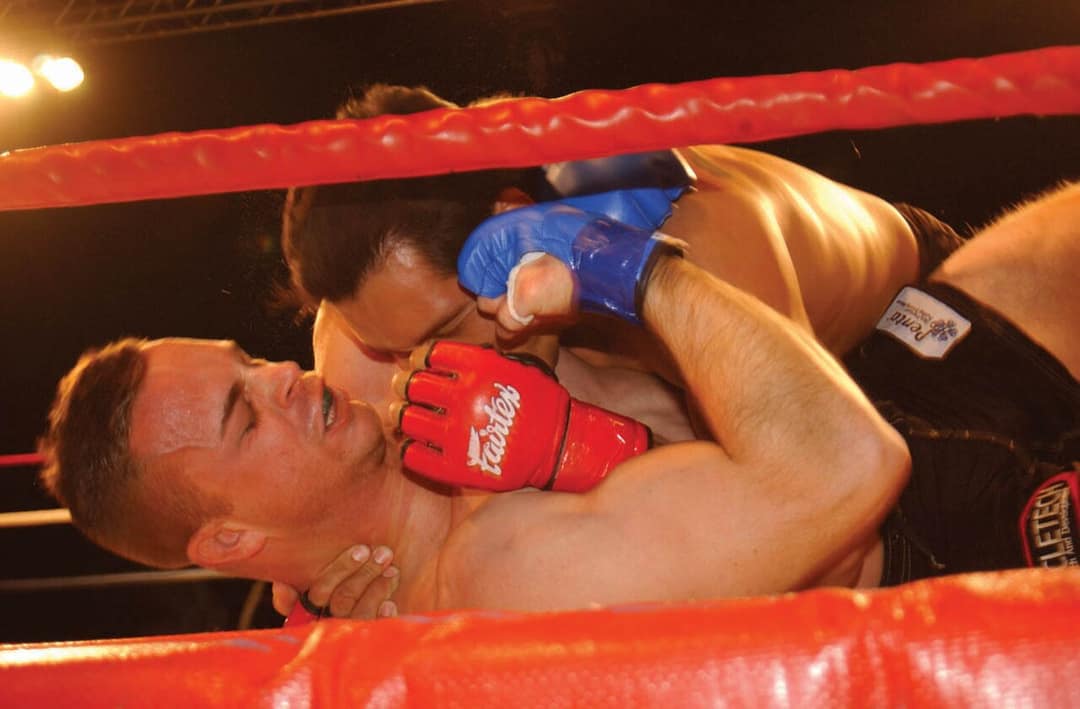
The short answer: taking someone down is only step one
A takedown is the general term in MMA (mixed martial arts) for bringing an opponent from a standing position to the mat and into a dominant position. The Unified Rules of Mixed Martial Arts specify that "a successful takedown is not merely a changing of position, but the establishment of an attack from the use of the takedown." In other words, putting someone on the ground isn't enough on its own — the takedown only scores well once it's followed by a real attack (strikes, guard-passing, working toward a submission).
How it's scored (effective grappling)
Takedowns sit at the core of the effective grappling scoring criterion. Judges weigh takedowns, reversals, and the achievement of advantageous positions (mount, back control, etc.) by both their immediate impact — how much damage or threat they produced right after the takedown — and their cumulative impact across the round, with immediate impact weighted more heavily. That means the number of takedowns matters less than what happens after each one.
The main types
- Single-leg / double-leg takedowns: wrestling-derived takedowns built around controlling one or both of the opponent's legs.
- Judo-style throws: hip and body throws off a clinch (e.g., osoto gari, uchi mata).
- Clinch trips: off-balancing an opponent using the leg from a clinch position.
- Slams: lifting an opponent and driving them to the mat.
The fighter on bottom can neutralize or answer a takedown with an active, threatening guard, or reverse it entirely with a sweep — both also fall under the same effective-grappling criteria.
This term is part of the combat glossary & rules guide. For how decisions work see What are UD, SD and MD?, and for stoppages see What is RSC and a doctor stoppage?. Many wrestlers and judoka on the fighter database build their records on takedown volume.
Sources
FAQ
- What is a takedown in MMA?
- A takedown is bringing an opponent from a standing position to the mat and into a dominant position. Under the Unified Rules of MMA it is not merely a change of position — it only counts as effective once the fighter follows it up with a real attack (strikes, guard-passing, or working toward a submission).
- How are takedowns scored?
- Takedowns are scored under the "effective grappling" criterion of the Unified Rules. Judges weigh the immediate impact right after a takedown — the damage or threat it produced — more heavily than its cumulative impact across the round, so the number of takedowns matters less than what happens after each one.
- What are the main types of takedowns?
- The main types of MMA takedown are wrestling-derived single-leg and double-leg takedowns, judo-style hip and body throws from the clinch (such as osoto gari and uchi mata), clinch trips that off-balance the opponent using the leg, and slams where a fighter is lifted and driven to the mat.
- Can a takedown be reversed?
- Yes — the fighter on bottom can neutralize a takedown with an active, threatening guard, or reverse the position entirely with a sweep. Both fall under the same effective-grappling scoring criterion as the takedown itself.